Origin Signature Font: Elevating Handmade Labels
Sitting at my workbench late last Tuesday, surrounded by amber glass jars and sheets of matte vinyl, I realized my new lavender and sage candle collection was missing something vital. The scent profile was perfect, and the wax pour was smooth, but the label felt disconnected from the artisanal quality inside the jar. I needed typography that felt as organic and intentional as the hand-poured product itself. That is when I opened my design software and selected Origin Signature. Watching the letters flow across the screen, mimicking the natural rhythm of elegant handwriting, transformed a simple product identifier into a cohesive brand statement. For makers and creative sellers, finding a script font that balances readability with genuine artistic charm is often the difference between a hobbyist project and a premium retail product.
Capturing Authentic Handwritten Charm
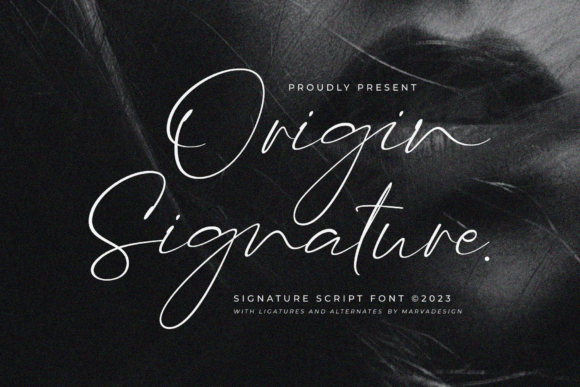
Origin Signature stands out in the crowded category of Script Amp fonts because it avoids the rigid, repetitive look of digital automation. When designing for handmade goods, authenticity is our currency. Customers are drawn to our shops because they want items that feel touched by human hands, not mass-produced by algorithms. This typeface captures that specific mood. The connections between letters are smooth and flowing, yet they retain enough variation to suggest a real pen moving across paper. In my candle label test, the word "Lavender" didn't just sit on the design; it danced with a gentle cadence that mirrored the relaxing nature of the scent. This visual personality is essential for creating an emotional connection before the customer even picks up the item. It signals care, attention to detail, and a touch of luxury that standard system fonts simply cannot convey.
Practical Applications for Product Makers
Beyond candle labels, this font has become a staple in my rotation for various shop materials. Its versatility makes it suitable for a wide range of creative projects where elegance meets function:
- Wedding Stationery: Perfect for invitation suites, place cards, and welcome signs where traditional calligraphy is desired but budget or timeline requires digital typesetting.
- Boutique Packaging: Ideal for printing directly onto tissue paper, stamping kraft tags, or creating custom sticker seals for shipping boxes.
- Digital Printables: Works beautifully for wall art quotes, planner covers, and greeting card templates where the user wants a high-end editorial look.
- Apparel and Textiles: Suitable for embroidered patches, heat transfer vinyl on tote bags, or screen-printed designs on linen shirts.
- Seasonal Signage: Adds warmth to holiday market displays, chalkboard menus, and festive gift tags.
When using Origin Signature for these applications, consider the scale. As a display font, it shines brightest in short phrases, names, titles, or decorative wording. I avoid using it for long paragraphs or dense ingredient lists. Instead, I reserve it for the hero text—the element that needs to catch the eye first—and pair it with a clean sans serif font for the functional details. This contrast ensures the design remains legible while maintaining its sophisticated aesthetic.
Production Tips for Cutting Machines and Print
For those of us who produce physical goods using Cricut, Silhouette, or professional printing services, technical performance matters as much as visual beauty. A font can look stunning on a monitor but fail during production if the lines are too thin or the spacing is awkward. Origin Signature is designed with production in mind. The stroke weight is substantial enough to withstand weeding on adhesive vinyl without tearing, which is crucial for small stickers or intricate cake toppers. When cutting heat transfer vinyl for shirts or tote bags, the smooth curves prevent jagged edges that can peel after washing.
However, always test your specific material settings. If you are creating tiny jewelry tags or return address labels, you may need to increase the size slightly or adjust the letter spacing to ensure the internal loops of letters like 'e' or 'a' do not fill in during printing or cutting. For printed stationery, request a proof to verify that the ink doesn't bleed into the delicate swashes. The font’s natural flow includes ligatures and alternates that can enhance connectivity, so take time to explore the OpenType features in your design software. Activating stylistic alternates can prevent repetitive letterforms in words with double letters, keeping the handwritten illusion intact and elevating the perceived quality of your merchandise.
Building Brand Consistency Across Touchpoints
Typography is a silent ambassador for your brand identity. Using Origin Signature consistently across your shop helps build recognition and trust. When a returning customer sees that familiar, flowing script on your Instagram graphics, email newsletters, and package inserts, it reinforces a cohesive world they want to be part of. I recently updated my entire shop branding to center around this typeface. The result was a unified visual language that made my digital downloads and physical products feel like they belonged to the same family. This consistency increases the perceived value of the work. A printable wall art listing featuring this font looks more like a curated piece of editorial design and less like a generic template, allowing for better positioning in a competitive marketplace.
Pairing is equally important for brand balance. Because Origin Signature has such a distinct, expressive personality, it pairs best with minimalist partners. A geometric sans serif provides modern contrast for web design and social media captions, while a classic serif font adds traditional weight for formal invitations. Avoid pairing it with other highly decorative scripts, as this creates visual clutter and reduces readability. Let this font be the star of the show, supported by quiet, functional typography that guides the viewer’s eye without competing for attention.
Licensing and Commercial Considerations
Before incorporating any new typeface into products intended for sale, verifying the licensing terms is a non-negotiable step for ethical business practices. Origin Signature typically comes with clear guidelines regarding commercial use, but you must check the specific license included with your download. Some licenses cover physical end products like mugs and shirts, while others may require an extended license for digital templates, SVG files for resale, or high-volume manufacturing. Always read the EULA (End User License Agreement) carefully.
Additionally, check for multilingual support if you serve an international customer base or create bilingual wedding stationery. Ensuring the font supports necessary accents and special characters prevents awkward fallback fonts from breaking your design layout. Finally, organize your font files properly. Keep the OTF and TTF versions accessible in your design library, and store the license documentation in your business records. This preparation streamlines your workflow and protects your shop from potential intellectual property issues. By treating typography selection as a strategic business decision rather than just an aesthetic choice, you build a sustainable, professional creative practice that resonates with customers and honors the craft of design.