Peonywriting Font: Elegant Script for Handmade Products
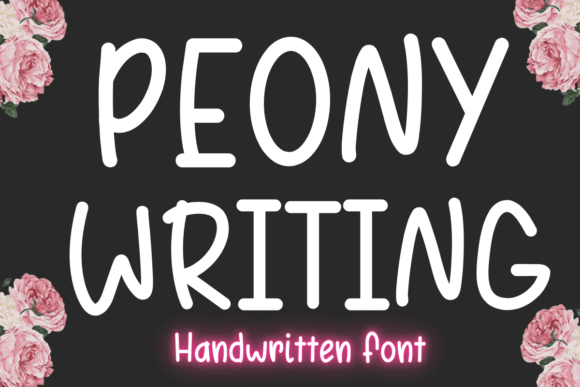
As a small business owner and creator, I know the struggle of finding a script font that feels both luxurious and legible. We have all downloaded beautiful typefaces that look stunning on screen but turn into an unreadable mess when cut on vinyl or printed at two inches wide. This is where Peonywriting changes the game for handmade sellers and printable designers. Introducing “Peony Writing,” a beautifully crafted script font that exudes elegance and charm without sacrificing production value. Perfect for adding a personal touch to your creative projects, PeonyWriting features smooth, flowing lines that translate exceptionally well from digital design to physical product.
For those of us in the Script Amp category of fonts, readability is just as important as aesthetics. When you are designing candle labels, wedding invitations, or boutique packaging, the typography needs to communicate quality instantly. Peonywriting strikes that delicate balance between expressive calligraphy and clean modern typography. It offers the warmth of a handwritten font with the consistency required for professional brand identity. Whether you are creating SVG-style designs for cutting machines or high-resolution digital downloads, this typeface provides the versatility needed to elevate your shop’s perceived value.
Elevating Product Packaging and Labels
Packaging is often the first physical touchpoint a customer has with your brand, and the font choice sets the emotional tone. Peonywriting is particularly effective for product labels because its letterforms are distinct enough to be read quickly while still feeling artisanal. I have found it works beautifully on matte vinyl stickers for glass jars, textured paper tags for knitwear, and minimalist boxes for jewelry. The smooth curves prevent ink bleed on porous papers, and the open counters ensure the text remains crisp even when scaled down for small cosmetic containers.
When designing for physical goods, consider how the font interacts with different materials. On a rustic wooden sign, Peonywriting adds a refined contrast to the natural grain. On glossy product packaging, it suggests luxury and attention to detail. Because the strokes are fluid rather than jagged, this premium font avoids the "cheap clipart" look that can sometimes plague lower-quality script fonts. For sellers offering custom merchandise like tote bags or mugs, this typeface maintains its integrity across various printing methods, from sublimation to screen printing.
Practical Applications for Crafters and Sellers
Versatility is key when investing in commercial fonts. You need assets that work across multiple product lines and seasons. Here are practical ways to integrate Peonywriting into your current workflow:
- Wedding Stationery Suites: Use for couple names on welcome boards, envelope addressing, and table numbers where elegance is paramount.
- Digital Printables: Ideal for editable invitation templates, planner covers, and wall art quotes where customers need to visualize the final result clearly.
- Seasonal Merchandise: Perfect for holiday gift tags, Valentine’s Day cards, and Mother’s Day mugs that require a sentimental, soft aesthetic.
- Boutique Branding: Excellent for logo design accents, social media graphics, and website headers that establish a cohesive feminine or organic brand voice.
- Cutting Machine Projects: The connected flow makes it suitable for Cricut and Silhouette users creating iron-on decals or adhesive vinyl signs.
Mastering Readability and Production Tips
While Peonywriting is undeniably beautiful, successful application requires mindful design choices. As makers, we must prioritize the end user's experience. This display font shines brightest when used for short phrases, names, titles, and decorative wording. Avoid using it for long paragraphs or dense body copy; instead, reserve it for headlines and focal points. For longer descriptions or ingredients lists, pair it with a clean sans serif font or a simple serif font. This font pairing not only improves readability but also creates a sophisticated visual hierarchy that guides the customer’s eye.
For those using cutting machines, always test your weld settings. While Peonywriting features smooth connections, intricate swashes may require manual welding or simplification depending on your material thickness. When designing small stickers or tags, increase the tracking slightly if the letters feel too tight at reduced sizes. Always preview your designs at actual print size before committing to a full production run. What looks spacious on a 27-inch monitor might feel cramped on a 2x3 inch label. Utilizing OpenType features like alternates and ligatures can help you customize the flow to fit specific spaces without compromising the typeface’s natural rhythm.
Font Pairing Strategies for Professional Results
Creating a polished product often means knowing what not to use. Peonywriting carries enough personality to stand alone, so supporting elements should be understated. If you are designing a farmhouse sign, try pairing it with a bold, distressed sans serif for contrast. For modern stationery, a lightweight geometric sans serif allows the script to breathe. If your project calls for a more traditional vibe, a classic serif font provides a timeless anchor. Remember that the goal is harmony; let Peonywriting be the star while other typographic elements serve as the stage.
Check the included file formats and multilingual support within your download. Having access to OTF, TTF, and WOFF files ensures you can use this creative font across desktop design software, web platforms, and mobile apps. Multilingual characters are essential if you sell internationally or create bilingual products. Additionally, explore any included swashes or stylistic alternates. These extras allow you to tailor the font to specific layouts, such as extending a tail to underline a name or swapping a standard capital for a more ornate version on a certificate.
Understanding Commercial Licensing for Makers
One of the most critical aspects of running a handmade business is ensuring your design assets are properly licensed. Before listing products featuring Peonywriting, review the specific commercial license terms provided by the foundry. Most premium font licenses cover the creation and sale of physical end products like shirts, mugs, and printed stationery. However, policies vary regarding digital templates, SVG bundles, and logo trademarking.
If you plan to sell editable Canva templates or Corjl designs featuring this typeface, verify that extended licensing is included or available. Similarly, if you intend to use Peonywriting as the primary element in a logo for trademark registration, confirm that the license permits this usage. Respecting intellectual property protects your business from legal issues and supports the type designers who create these essential tools. Proper licensing is not just a legal requirement; it is a mark of professionalism that reassures clients and customers of your business integrity.
Ultimately, Peonywriting is more than just a collection of glyphs; it is a tool for storytelling. In a marketplace saturated with generic designs, using a thoughtfully selected typeface helps your work stand out. It signals to customers that you care about every detail, from the stitch count to the kerning. By integrating this elegant script into your product line with intention and technical awareness, you transform simple items into cherished keepsakes. Whether you are updating your shop branding or launching a new seasonal collection, let the smooth, flowing lines of Peonywriting bring a fresh sense of charm and commercial viability to your creative endeavors.